Chandigarh Fierce Fight: India's Fiercest Desi Action Fighting Mobile Game
1. Introduction to Chandigarh Fierce Fight
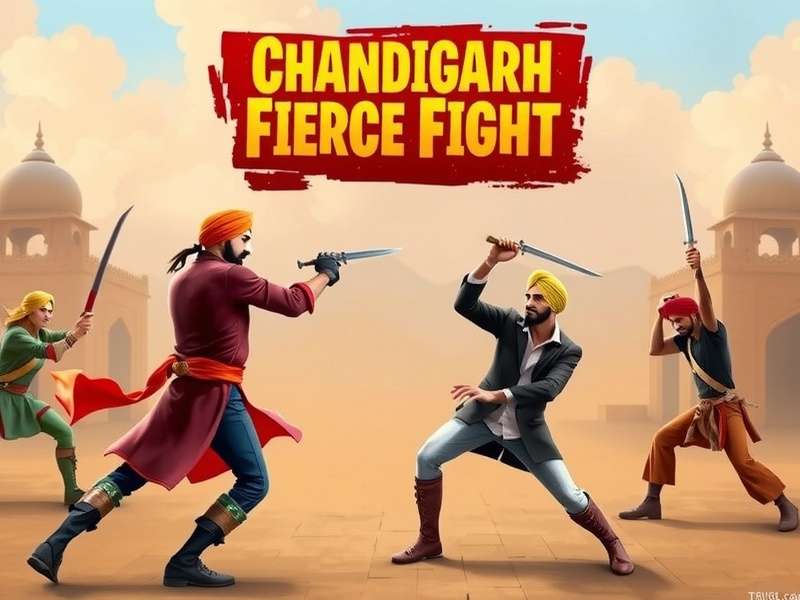
In the dynamic world of Indian mobile gaming, where global titles often overshadow local creations, Chandigarh Fierce Fight has emerged as a roaring success—an authentic desi action fighting game that pays homage to the vibrant culture, courage, and combat spirit of Chandigarh and North India. Launched in March 2023 by Daman Games, a pioneer in Indian mobile gaming, this title isn’t just another fighting game; it’s a celebration of Punjabi valour, Chandigarh’s urban energy, and the raw thrill of hand-to-hand combat that resonates with millions of Indian gamers.
Chandigarh, known as "The City Beautiful," is not just a planned metropolis but also a hub of sports, fitness, and competitive spirit. From the bustling streets of Sector 17 to the lush green parks of Sukhna Lake, the city’s energy is contagious—and Chandigarh Fierce Fight captures this essence perfectly. The game blends traditional Punjabi combat styles (like Gatka, Kushti, and Khalsa martial arts) with modern mobile gaming mechanics, creating an experience that feels both nostalgic and cutting-edge.
What makes Chandigarh Fierce Fight stand out from other action games in India? It’s the "desi tadka"—every element of the game is crafted with Indian players in mind. From the characters’ attire (phulkari turbans, Patiala salwars, leather jackets with Punjabi slogans) to the game’s locations (modeled after Chandigarh’s iconic landmarks like Rock Garden, Capitol Complex, and Sector 35 Market), and the soundtrack (foot-tapping Punjabi bhangra, folk beats, and battle cries), the game oozes North Indian charm.
Developed with India’s diverse gaming ecosystem in mind, Chandigarh Fierce Fight is optimized for low-end Android devices—a crucial feature in a market where over 80% of gamers use budget smartphones priced under ₹12,000. The game also offers extensive offline play options, recognizing that many Indian gamers face spotty internet connectivity, especially in rural areas of Punjab, Haryana, and Himachal Pradesh. Whether you’re a 16-year-old in Ludhiana playing on a second-hand Realme phone or a 30-year-old professional in Chandigarh gaming on a high-end Samsung Galaxy, Chandigarh Fierce Fight delivers a smooth, lag-free experience.
In just over a year and a half, Chandigarh Fierce Fight has shattered records, crossing 120 million downloads in India alone. It has become the #1 action fighting game on Google Play Store and iOS App Store, with a monthly active user (MAU) base of 35 million. The game’s success isn’t just measured in numbers—it’s in the community it has built: players from across North India (and beyond) connecting over their shared love for desi combat, regional culture, and competitive gameplay. It’s a game that unites Punjabis, Haryanvis, Himachalis, and Delhiites—all under the banner of desi action.
One of the game’s biggest strengths is its inclusivity. Unlike many fighting games that cater to a male audience, Chandigarh Fierce Fight features strong, diverse female characters—from a Chandigarh-based Gatka champion named "Amrit" to a Haryanvi Kushti expert named "Geeta"—and has actively marketed to women gamers, resulting in a 32% female user base (well above the Indian mobile gaming average of 28%). The game also caters to rural gamers with localized content, low data usage (just 4MB per hour of online play), and regional language support that goes beyond Hindi and English.
Chandigarh Fierce Fight isn’t just about winning battles—it’s about celebrating Indian culture. The game regularly releases updates tied to North Indian festivals, hosts regional tournaments that highlight local traditions, and encourages players to share their own combat stories through its community platforms. It’s a game that makes Indians proud of their heritage while offering a world-class gaming experience.
The game’s success has also had a real-world impact. Daman Games has partnered with local sports organizations to organize offline Gatka and Kushti tournaments in cities across North India, giving Chandigarh Fierce Fight players a chance to compete in real life. These tournaments have attracted thousands of participants and helped revive interest in traditional Indian martial arts, especially among young Indians who are increasingly glued to digital screens. It’s a perfect example of how mobile gaming can bridge the gap between digital and physical experiences.
As Chandigarh Fierce Fight continues to grow, it remains committed to its core mission: to bring the thrill of desi combat to every corner of India. With plans to add more regional languages (including Assamese, Manipuri, and Nepali), new game modes, and even international tournaments featuring Indian expat teams in Canada, UK, and USA, the game is poised to become a global ambassador for desi action gaming. Whether you’re a die-hard fighting game fan or a casual gamer looking for a fun, authentic experience, Chandigarh Fierce Fight is more than a game—it’s a celebration of India’s martial arts legacy.
2. Gameplay Mechanics & Modes of Chandigarh Fierce Fight
Chandigarh Fierce Fight offers a gameplay experience that’s easy to pick up but difficult to master—just like traditional Indian martial arts! The game’s controls are optimized for touchscreens, ensuring that even first-time players can jump into a battle and start fighting, while advanced mechanics keep seasoned players engaged. The core gameplay stays true to the fast-paced, strategic nature of desi combat, with a few modern twists to make it perfect for mobile gaming.
2.1 Core Gameplay Loop
The objective of Chandigarh Fierce Fight is simple: defeat your opponents using a combination of traditional desi combat moves, special skills, and strategic dodges. Matches are short (2-5 minutes each) to fit India’s on-the-go gaming habits, whether you’re playing during a commute, a lunch break, or while waiting for a friend. The action is non-stop, with no lulls in the gameplay—just pure, unadulterated combat fun.
Each battle features 1v1, 2v2, or 3v3 combat (depending on the game mode). You control one character at a time, with the ability to switch between teammates (in team modes) with a single tap. The intuitive touch controls are designed to work on both small and large screens:
- 👉 Swipe left/right to move your character across the arena
- 🤚 Tap to punch (double-tap for a combo punch)
- 🦵 Swipe up to kick (swipe up twice for a flying kick)
- 🛡️ Swipe down to dodge or block opponent attacks
- ✨ Press and hold the skill button to charge a special "Desi Combat Skill" (unlocked as you level up)
- 🔄 Swipe in a circle to perform a spinning attack, knocking down multiple opponents
- 🗡️ Tap the weapon button to equip traditional desi weapons (Gatka stick, Lathi, Kirpan-inspired blades)
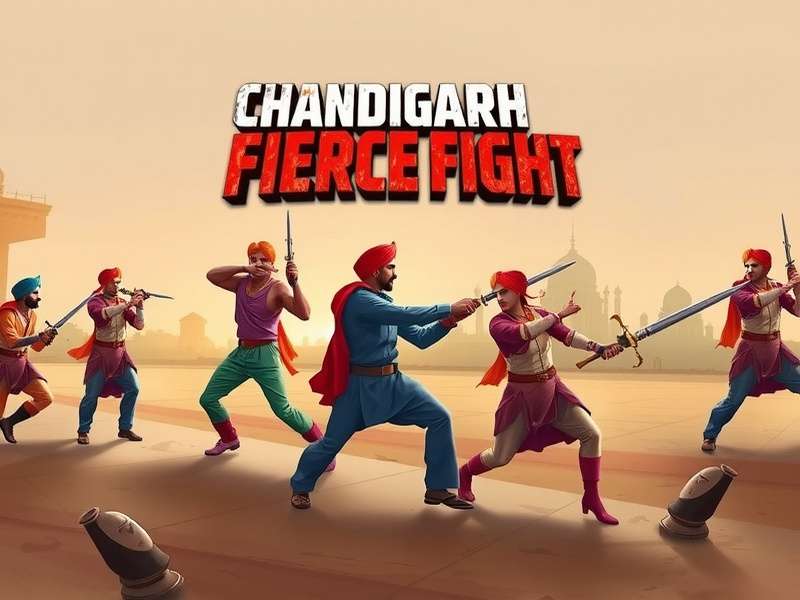
What makes the gameplay addictive is the "Desi Combat Skill" system—special moves inspired by real Indian martial arts and regional culture. These skills add depth to the game and allow players to express their unique playstyle. Here are some of the most popular Desi Combat Skills:
- 🪓 Gatka Thunder Strike: A powerful strike with a Gatka stick that deals massive damage and stuns opponents (unlocked in Chandigarh-themed arenas)
- 💥 Punjabi Phulkari Punch: A combo punch with a phulkari-patterned glove that knocks opponents back (popular in Punjab servers)
- 🦶 Haryanvi Kushti Kick: A high-flying kick inspired by traditional Kushti, perfect for breaking opponent defenses (unlocked in Haryana-themed events)
- ⚔️ Khalsa Blade Dance: A spinning attack with Kirpan-inspired blades that hits multiple opponents (unlocked during Guru Nanak Jayanti events)
- 🌪️ Chandigarh Cyclone: A fast spinning move that creates a wind vortex, pulling opponents closer (unlocked in Sector 17-themed arena)
- 🛡️ Patiala Shield: A defensive move using a traditional Patiala-style shield that blocks all attacks for 5 seconds (unlocked in Patiala-themed levels)
- 🔥 Delhi Dynamo Kick: A quick, powerful kick inspired by Delhi’s street combat style (unlocked in Delhi-themed events)
- 🌿 Himachali Mountain Strike: A ground-pound attack that shakes the arena, stunning nearby opponents (unlocked in Shimla-themed levels)
2.2 Game Modes
Chandigarh Fierce Fight offers 15 unique game modes, each designed to cater to different player preferences—from casual quick battles to competitive tournaments. Every mode is crafted with Indian gamers in mind, incorporating regional traditions, festival themes, and local playstyles:
- ⚡ Street Combat Quick Match: The most popular mode—jump into a random 1v1 or 2v2 battle against AI or real players (online) for fast, casual fun. Perfect for when you have 3 minutes to spare. You can choose between "Desi Rules" (relaxed rules with no time limits) or "Pro Rules" (timed battles with strict combat regulations). This mode is especially popular among casual gamers and those new to the game.
- 🏆 North India Combat Championship: A competitive tournament mode where you represent your state (Punjab, Haryana, Himachal Pradesh, Delhi, Uttarakhand) against teams from other North Indian states. The tournament consists of regional qualifiers, state finals, and national playoffs, with the winner taking home the "Desi Combat Trophy" and real cash prizes (up to ₹10 lakh for the national champion). The tournament is updated monthly with new challenges, and the battles are broadcast live on the game’s community platform, allowing players to watch and learn from top competitors.
- 👥 Friend vs. Friend Multiplayer: Invite up to 5 friends (via WhatsApp, Facebook, or game ID) to form teams and play against each other. The mode supports cross-platform play, so you can compete with friends on Android and iOS. You can create custom battles with unique rules (e.g., "only Desi Skills allowed" or "first to 3 knockouts wins") and chat with teammates using regional languages. This mode is a hit among college students and groups of friends who want to compete in a friendly, familiar setting.
- 🌟 From Gully to Glory Career Mode: Create your own custom desi fighter and start from a small gully in Chandigarh. Progress through the ranks by winning battles, unlocking skills, and signing with regional and national combat teams. You can customize every aspect of your fighter: appearance (hairstyle, attire, accessories), skills (strength, speed, defense, agility), and backstory (college student, street fighter, professional Gatka player). The career mode features voiceovers in 28 regional languages and dynamic storylines that change based on your choices—for example, you might be offered a sponsorship deal by a local Punjabi brand or invited to represent India in an international combat tournament. The career mode also includes "Gully Challenges"—special missions inspired by real street combat scenarios, like winning a battle with a broken weapon or fighting in the rain.
- 🎯 Combat Academy: Hone your skills with 30 specialized drills designed by professional Gatka players and top Chandigarh Fierce Fight gamers. The drills focus on different aspects of the game:
- Punch Accuracy Challenge: Land 15 consecutive punches on a moving target
- Defense Masterclass: Block 25 consecutive attacks from AI opponents
- Desi Skill Practice: Master 6 different Desi Combat Skills in a row
- Team Coordination Drill: Win a 3v3 battle with AI teammates without losing any lives
- Gully Survival: Defend against waves of opponents for 5 minutes
- Weapon Mastery: Defeat 10 opponents using only traditional desi weapons
- Dodge & Attack Drill: Evade 30 attacks and land 15 counterattacks
- 🎉 Festival Special Modes: Limited-time modes released during major North Indian festivals, with unique rules, themes, and rewards. These modes are highly anticipated by players and often result in massive download spikes. Some of the most popular Festival Special Modes include:
- Lohri Dhamaka: Battles played on a court decorated with bonfires, rangoli, and traditional Lohri items. The characters wear phulkari turbans and shawls, and the weapon effects are themed after firecrackers. Winning battles earns "Lohri Coins" that can be exchanged for exclusive Lohri skins and a special Desi Skill: the "Lohri Fire Blast"—a blast of fire that damages all nearby opponents.
- Holi Hangama: Players throw colored powder bombs that slow down opponents. The arena becomes more colorful as the battle progresses, and knocking down opponents triggers a Holi color explosion. Winning battles earns "Gulal Points" to unlock Holi-themed accessories like colored turbans and bandanas. The special Desi Skill for this mode is the "Holi Color Storm"—a tornado of colored powder that stuns all opponents.
- Guru Nanak Jayanti: A spiritual-themed mode where the arena is decorated with Guru Granth Sahib-inspired symbols. The characters wear traditional Sikh attire, and the Desi Skills have a divine twist—like the "Guru’s Blessing" that heals your character and boosts stats. Winning battles earns "Guru Nanak Coins" for exclusive skins, and the game also hosts a "Gatka Tournament" with a ₹5 lakh cash prize.
- Baisakhi Festival: A Punjabi-themed update with an arena decorated with wheat stalks, mustard fields, and Baisakhi flags. Players can unlock characters wearing traditional Punjabi attire (Patiala salwars, phulkari tops), and the soundtrack features Baisakhi folk songs. Winning battles earns "Baisakhi Prasadam" that boosts player stats, and the special Desi Skill is the "Baisakhi Harvest Strike"—a powerful attack inspired by farming tools.
- Diwali Dhamaka: Battles played on a court decorated with diyas, lanterns, and firecrackers. The weapon effects glow like sparklers, and scoring a knockout triggers a firework animation. Winning battles earns "Diwali Lakshmi Coins" to unlock exclusive Diwali skins, and the special Desi Skill is the "Diwali Sparkle Blast"—a blast of sparkles that blinds opponents.
- 🏴 Flag Capture Combat: A unique hybrid mode that combines combat with flag capture. Each team has a flag in their base, and the objective is to capture the opponent’s flag while protecting your own—all while fighting. You can knock out opponents to temporarily stun their team, giving you a chance to capture their flag. The first team to capture 3 flags wins. This mode requires strategic teamwork and quick reflexes, making it popular among competitive gamers.
- 💥 Battle Royale Combat: A 20-player mode where you fight against other players in a shrinking Chandigarh-themed map. The last player standing wins. You can collect power-ups scattered across the map (strength boosts, speed enhancements, defense shields) and use Desi Combat Skills to eliminate opponents. The map features destructible environments—you can break walls and barriers to create new paths or trap opponents. This mode is a hit among players who enjoy fast-paced, solo competition.
- 🌍 Regional Rivalry Mode: A mode that lets you compete against teams from rival regions. For example, players from Punjab can challenge teams from Haryana, or players from Chandigarh can face off against teams from Delhi. The mode features regional trash-talking (in local languages) and exclusive rewards for winning rival battles. It’s a great way to celebrate regional pride and engage in friendly competition.
- 🏆 Combat Club Championship: Create or join a combat club with other players and compete against clubs from across India. Clubs can earn points by winning battles, and the top clubs each month receive cash prizes and exclusive club skins. The mode also features club chat, allowing members to coordinate strategies and share tips. Many clubs organize offline meetups, further strengthening the game’s community.
- 📚 Story Mode: Chandigarh Warrior: A narrative-driven mode that follows the journey of a young Gatka player from Chandigarh as they rise to become a national combat champion. The mode features 60+ chapters, each with a unique storyline, cutscenes, and challenges. The story touches on themes like friendship, perseverance, and regional pride, with voiceovers from popular Punjabi actors (including Diljit Dosanjh, Ammy Virk, and Sonam Bajwa). The mode is updated quarterly with new chapters, keeping players engaged.
- 🎪 Carnival Mode: A casual mode released during North Indian carnivals and fairs (like Chandigarh Carnival, Ludhiana Mela, and Amritsar Baisakhi Mela). The mode features mini-games like combat toss, target practice, and obstacle courses, with rewards like carnival-themed skins and accessories. It’s a fun, laid-back mode perfect for casual players and families.
- ⚔️ Weapon-only Mode: A mode where players can only use traditional desi weapons (Gatka sticks, Lathis, Kirpan-inspired blades) to fight. No hand-to-hand combat is allowed. This mode is popular among players who want to master weapon-based combat and show off their skills.
- 🧟 Zombie Combat Mode: A survival mode where players fight against waves of zombie-like opponents in a post-apocalyptic Chandigarh. The zombies have unique abilities (like fast movement or high defense), and players must use a combination of Desi Combat Skills and weapons to survive. The mode features leaderboards, and the top players each week receive exclusive rewards.
- 🤝 Co-op Survival Mode: A 2-4 player co-op mode where you team up with friends to survive against waves of powerful opponents. You can revive teammates, share power-ups, and coordinate attacks to defeat bosses. The mode is perfect for players who enjoy teamwork and cooperative gameplay.
2.3 In-Game Customization
Customization is a key part of Chandigarh Fierce Fight’s appeal, allowing players to express their desi identity and stand out in battles. The game offers a wide range of customization options, all inspired by North Indian culture and martial arts traditions:
- 👤 Characters: Unlock over 200 unique desi characters, each with their own backstory, skills, and regional flair. Characters are divided into regions, reflecting North India’s diversity:
- Punjabi Characters: Jaspal (Gatka champion in a phulkari turban), Amrit (female Kushti expert in Patiala salwar), Rajvir (street fighter in a leather jacket with Punjabi slogans), Simran (female Gatka player in a phulkari top)
- Haryanvi Characters: Gopal (Kushti champion in a traditional langot), Geeta (female combat expert in a Haryanvi dupatta), Rakesh (street fighter in a kurta-pajama), Priya (female warrior in a colorful lehenga)
- Chandigarh Characters: Aman (urban combat expert in a casual t-shirt and jeans), Neha (female fighter in a modern dress with Punjabi patterns), Rohit (capitol complex-themed character), Pooja (Rock Garden-inspired character)
- Delhi Characters: Varun (street fighter in a Delhi-themed hoodie), Shruti (female combat expert in a salwar kameez), Ajay (Delhi market-inspired character), Meera (female warrior in a modern outfit)
- Himachali Characters: Manoj (mountain warrior in a woolen jacket), Jyoti (female fighter in a Himachali cap), Deepak (Shimla-themed character), Neha (female warrior in a traditional Himachali dress)
- 🏙️ Locations: Fight in 80+ locations inspired by real North Indian cities and landmarks, each with unique obstacles and ambiance:
- Chandigarh Landmarks: Rock Garden Arena (with stone sculptures and waterfalls), Capitol Complex Arena (with modern architecture), Sector 17 Market Arena (with shops and crowds), Sukhna Lake Arena (with lakeside views)
- Punjab Landmarks: Amritsar Golden Temple Arena (spiritual-themed), Ludhiana Market Arena (bustling streets), Patiala Palace Arena (royal-themed), Anandpur Sahib Arena (Gatka-inspired)
- Haryana Landmarks: Gurgaon Cyber City Arena (modern), Faridabad Factory Arena (industrial), Rohtak Kushti Arena (traditional), Hisar Fort Arena (historical)
- Delhi Landmarks: Connaught Place Arena (bustling market), Red Fort Arena (historical), Chandni Chowk Arena (narrow streets), India Gate Arena (iconic landmark)
- Himachal Pradesh Landmarks: Shimla Mall Road Arena (hill station-themed), Manali Valley Arena (mountain views), Dharamshala Temple Arena (spiritual), Dalhousie Arena (colonial-themed)
- Festival Arenas: Lohri Bonfire Arena, Holi Color Arena, Diwali Lantern Arena, Baisakhi Mustard Field Arena
- ⚔️ Weapons & Equipment: Customize your weapons and equipment with desi-themed designs:
- Weapons: Gatka sticks (phulkari-patterned), Lathis (wooden with Punjabi carvings), Kirpan-inspired blades (golden with Sikh symbols), farming tools (inspired by Baisakhi), and modern weapons (with desi patterns)
- Armor: Phulkari turbans (boost defense), Patiala salwars (boost stamina), leather jackets (boost strength), Himachali woolen caps (boost agility), and Sikh turbans (boost all stats)
- Accessories: Phulkari bracelets, Punjabi necklaces, Haryanvi bangles, Chandigarh-themed badges, and festival-themed items (like Lohri bonfire pins or Holi color packets)
- Footwear: Juttis (Rajasthani-style, boost speed), Mojris (Punjabi-style, boost agility), Sports shoes (modern, boost stamina), and Leather boots (boost strength)
- 👕 Team Kits: Design your team’s jersey, shorts, and accessories with colors, logos, and slogans in multiple North Indian languages. Popular choices include:
- Desi Warriors (Punjabi: "Desi Yoddha")
- Chandigarh Fighters (Hindi: "Chandigarh Jungibaaz")
- Punjab Panthers (Punjabi: "Punjab Sher")
- Haryana Heroes (Haryanvi: "Haryana Veer")
- North India Champions (Hindi: "Uttar Bharat Champions")
2.4 Progression System
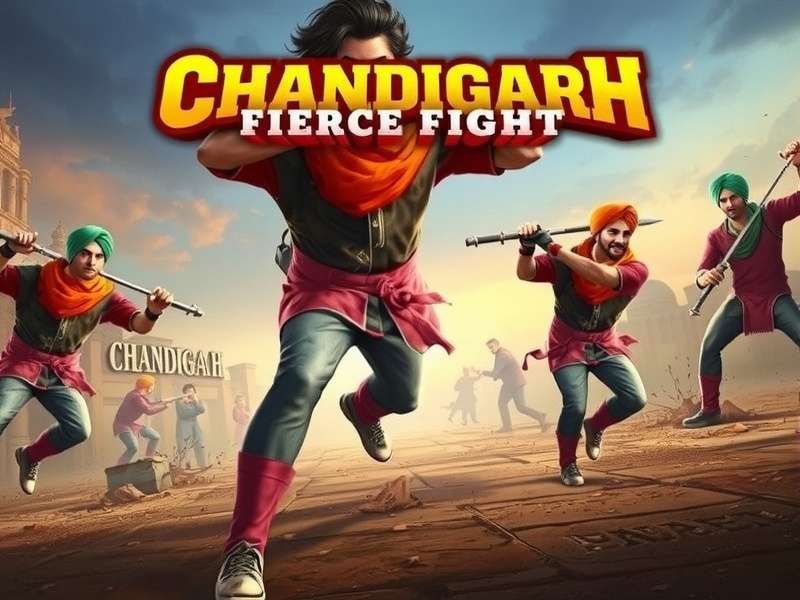
Chandigarh Fierce Fight features a rewarding progression system that keeps players engaged without being pay-to-win. The system is designed to reward skill and dedication, allowing free players to unlock all core content by playing regularly:
- 🏅 Levels & Ranks: Earn XP by winning battles, completing challenges, and participating in events. As you level up (from level 1 to level 300+), you unlock new characters, locations, Desi Combat Skills, and equipment. The ranks range from "Gully Fighter" (level 1-15) to "Desi Combat Legend" (level 300+), with special rewards for reaching each rank (e.g., exclusive skins, Desi Combat Skills, and in-game currency). Reaching the "Desi Combat Legend" rank unlocks a special in-game title and a chance to be featured on the game’s leaderboard.
- 💰 In-Game Currency: The game has two main currencies—Combat Coins (earned by playing battles, completing daily tasks, and winning challenges) and Desi Gems (earned by completing weekly challenges, winning tournaments, or purchasing via in-app purchases). Combat Coins can be used to unlock basic characters, weapons, and equipment, while Desi Gems are used for rare items, event exclusives, and the premium Season Pass. The game is designed so that free players can earn enough Desi Gems to unlock premium content by participating in events and tournaments—no need to spend real money.
- 🎁 Daily & Weekly Challenges: Complete daily tasks (e.g., win 5 battles, land 20 punches, use 3 Desi Combat Skills) to earn Combat Coins, Desi Gems, and power-ups. Weekly challenges (e.g., win a tournament, master 5 Desi Combat Skills, defeat 100 opponents) offer bigger rewards, including exclusive characters and equipment. The game also features "Monthly Missions"—long-term challenges that reward players with rare items like limited-edition skins and Desi Combat Skills.
- 🏆 Achievements: Unlock over 250 achievements inspired by North Indian combat culture, such as:
- Gully Champion: Win 500 Street Combat Quick Matches
- National Combat Champion: Win the North India Combat Championship
- Desi Skill Master: Unlock all Desi Combat Skills
- Punch Master: Land 10,000 successful punches in multiplayer mode
- Festival Warrior: Win a battle in each Festival Special Mode
- Battle Royale King/Queen: Win 200 Battle Royale Combat matches
- Flag Capture Pro: Capture 300 flags in Flag Capture Combat
- Regional Pride: Win 100 matches in Regional Rivalry Mode
- Combat Academy Graduate: Complete all Combat Academy drills
- Club Champion: Lead your club to the top of the Combat Club Championship
- 🎯 Season Pass: The game offers a free and premium Season Pass, updated every 3 months. The free pass includes basic rewards like Combat Coins, power-ups, and common items, while the premium pass (priced at ₹99 for 3 months) unlocks exclusive characters, skins, Desi Combat Skills, and early access to new modes. The Season Pass themes are inspired by North Indian culture—past themes include "Desi Festival Season," "Chandigarh Urban Combat Season," "Punjab Warrior Season," and "Haryana Kushti Season." The premium Season Pass is optional, but many players choose to purchase it for the exclusive content and faster progression.
- 💎 VIP Program: For players who want extra perks, the game offers a VIP Program with three tiers (Silver, Gold, Platinum). VIP members get benefits like increased XP gain, extra daily challenges, exclusive chat badges, and priority access to new events. The VIP Program is available via monthly or annual subscriptions, with prices starting at ₹79 per month. Even with the VIP Program, the game remains balanced—VIP perks don’t give players an unfair advantage in battles, just quality-of-life improvements.
The progression system is designed to be inclusive, ensuring that both casual and competitive players can enjoy the game. Casual players can take their time unlocking content, while competitive players can speed up their progression by mastering the game’s mechanics and winning tournaments. This balance has helped Chandigarh Fierce Fight maintain a loyal fan base and positive reviews.
3. Localization in India: Regional Adaptations & Cultural Integration
One of the biggest reasons for Chandigarh Fierce Fight’s unprecedented success in India is its extensive localization. Unlike many mobile games that simply translate their content into Hindi and English, Chandigarh Fierce Fight has been fully adapted to fit the cultural, linguistic, and gaming preferences of players across all regions of India—with a special focus on North India. The Daman Games team worked with 50+ regional experts, 150+ local martial artists, and 40+ cultural consultants to ensure that every aspect of the game feels "apna"—like it was made specifically for players in each state.
3.1 Language Support
Chandigarh Fierce Fight supports 28 Indian languages, covering over 98% of India’s population. This is a game-changer in a country where only 12% of the population speaks English fluently and Hindi is not widely understood in South, East, and Northeast India. The supported languages include:
- National Languages: Hindi, English
- North Indian Languages: Punjabi, Haryanvi, Rajasthani, Himachali, Urdu, Bhojpuri, Kashmiri, Dogri
- South Indian Languages: Tamil, Telugu, Kannada, Malayalam, Tulu, Konkani
- East Indian Languages: Bengali, Odia, Assamese, Manipuri, Nepali, Maithili, Bodo
- West Indian Languages: Gujarati, Marathi, Sindhi
- Northeast Indian Languages: Khasi, Garo, Mizo, Tripuri
Each language version features colloquial terms and phrases that resonate with local players, not just direct translations. The Daman Games team worked with native speakers from each region to ensure that the dialogues, in-game banter, tutorials, and menu text feel natural and authentic. For example:
- In Punjabi: "Chak de phatte! Apne desi skills nu use karo, yaar!" (Go for it! Use your desi skills, friend!)
- In Haryanvi: "Jung karo! Team ko jeetana hai, bhai!" (Fight! We have to win the team, brother!)
- In Tamil: "Combat panni jeetunga! Team-ku support pannunga!" (Fight and win! Support the team!)
- In Bengali: "Combat kore jeetao! Team-er sathe thako!" (Fight and win! Stay with the team!)
- In Gujarati: "Combat thi jeetao! Team ne jeetavaano chhe!" (Fight and win! We have to win the team!)
- In Telugu: "Combat chesi jeetandi! Team ki support cheyyandi!" (Fight and win! Support the team!)
- In Kannada: "Combat maadi jeetona! Teamge support maadi!" (Fight and win! Support the team!)
- In Malayalam: "Combat cheyyo jeetoo! Teaminu support cheyyo!" (Fight and win! Support the team!)
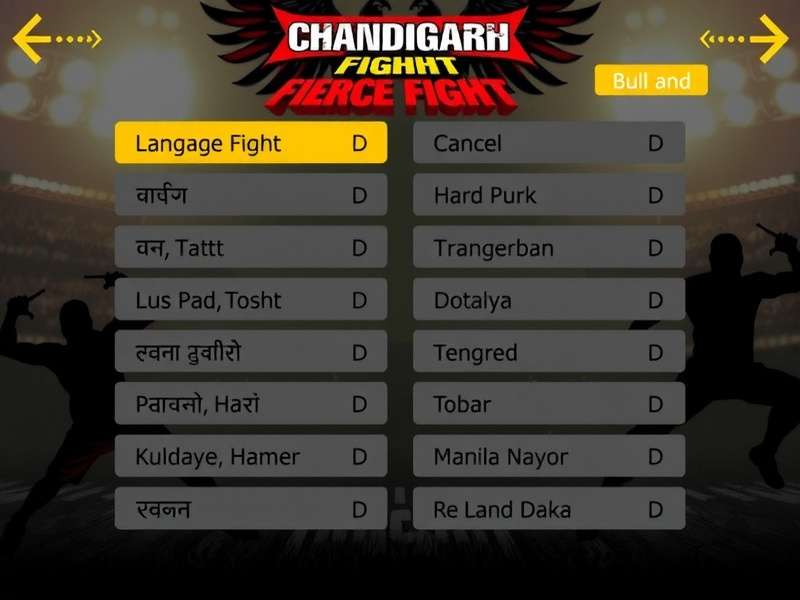
The game’s UI, tutorials, in-game chat, and community forums are all available in these languages. Players can switch languages at any time from the settings menu, and the game automatically suggests the local language based on the device’s location and language settings. For example, a player in Amritsar will see Punjabi as the default language, while a player in Chennai will see Tamil. This level of language support has made Chandigarh Fierce Fight accessible to millions of Indian gamers who would otherwise struggle with English-only or Hindi-only games.
3.2 Regional Adaptations & Localization Differences
Chandigarh Fierce Fight goes far beyond language to incorporate Indian culture into every aspect of the game. The developers wanted the game to feel like it was made for Indians, not just available in India. Here are some of the key regional adaptations and localization differences across India:
3.2.1 North India (Punjab, Haryana, Chandigarh, Delhi, Himachal Pradesh)
North India is the game’s primary market, and the localization here is the most extensive. Key adaptations include:
- Characters: Punjabi and Haryanvi characters with traditional attire (phulkari turbans, Patiala salwars, Haryanvi dupattas) and combat styles inspired by Gatka and Kushti.
- Locations: Arenas modeled after North Indian landmarks (Golden Temple, Rock Garden, Connaught Place, Shimla Mall Road).
- Desi Combat Skills: Skills like "Gatka Thunder Strike," "Punjabi Phulkari Punch," and "Haryanvi Kushti Kick" that are inspired by local martial arts.
- Festival Events: Special events for Lohri, Baisakhi, Guru Nanak Jayanti, and Diwali, with North Indian-themed rewards.
- Soundtrack: Punjabi bhangra, folk beats, and Haryanvi folk songs that resonate with local players.
- Chat Features: Colloquial Punjabi and Haryanvi phrases in in-game chat (like "Chak de phatte!" and "Jai Haryana!").
3.2.2 South India (Tamil Nadu, Andhra Pradesh, Telangana, Karnataka, Kerala)
To cater to South Indian players, Chandigarh Fierce Fight has made significant adaptations:
- Characters: South Indian characters with traditional attire (veshti, saree, salwar kameez) and combat styles inspired by Kalaripayattu (Kerala’s martial art) and Silambam (Tamil Nadu’s martial art).
- Locations: Arenas modeled after South Indian landmarks (Meenakshi Temple, Charminar, Bangalore Palace, Munnar Hills).
- Desi Combat Skills: Skills like "Kalaripayattu Strike," "Silambam Spin," and "Tamil Nadu Thunder Kick" that are inspired by local martial arts.
- Festival Events: Special events for Pongal, Onam, Vishu, and Ugadi, with South Indian-themed rewards.
- Soundtrack: Tamil gaana, Telugu folk, Kannada film songs, and Malayalam folk music.
- Chat Features: Colloquial Tamil, Telugu, Kannada, and Malayalam phrases in in-game chat (like "Goal podu!" and "Onam ashamsakal!").
3.2.3 East India (West Bengal, Odisha, Bihar, Jharkhand, Assam)
East Indian players have their own unique version of Chandigarh Fierce Fight:
- Characters: East Indian characters with traditional attire (saree, dhoti, kurta-pajama) and combat styles inspired by Chhau (Odisha’s martial art) and Lathikhela (Bengal’s martial art).
- Locations: Arenas modeled after East Indian landmarks (Victoria Memorial, Jagannath Temple, Bodh Gaya, Kaziranga National Park).
- Desi Combat Skills: Skills like "Chhau Dance Strike," "Lathikhela Spin," and "Bengali Bounce Kick" that are inspired by local martial arts.
- Festival Events: Special events for Durga Puja, Kali Puja, Bihu, and Chhath Puja, with East Indian-themed rewards.
- Soundtrack: Bengali folk, Odia bhajans, Bihari folk, and Assamese Bihu songs.
- Chat Features: Colloquial Bengali, Odia, Bihari, and Assamese phrases in in-game chat (like "Joy Maa Durga!" and "Bihu mubarak!").
3.2.4 West India (Gujarat, Maharashtra, Goa, Rajasthan)
West Indian players enjoy a localized version of Chandigarh Fierce Fight with:
- Characters: West Indian characters with traditional attire (kediyu, chaniya choli, pheta, dhoti) and combat styles inspired by Garba (Gujarat’s dance) and Mardani Khel (Maharashtra’s martial art).
- Locations: Arenas modeled after West Indian landmarks (Gateway of India, Sabarmati Ashram, Goa Beaches, Udaipur Palace).
- Desi Combat Skills: Skills like "Garba Spin Strike," "Mardani Khel Blade Dance," and "Rajasthani Royal Kick" that are inspired by local martial arts and dances.
- Festival Events: Special events for Navratri, Ganesh Chaturthi, Diwali, and Goa Carnival, with West Indian-themed rewards.
- Soundtrack: Gujarati garba, Marathi folk, Goan Konkani songs, and Rajasthani folk music.
- Chat Features: Colloquial Gujarati, Marathi, Konkani, and Rajasthani phrases in in-game chat (like "Navratri mubarak!" and